Marketing tactics for indie devs who built something players will love—and need them to find it. Store pages, community building, launch strategy. Practical approaches that move wishlists without the burnout or identity crisis. For devs ready for specific next steps, not just "make a good game" advice.
5 Bundle Marketing Mistakes That Cannibalise Your Game's Brand Identity
|
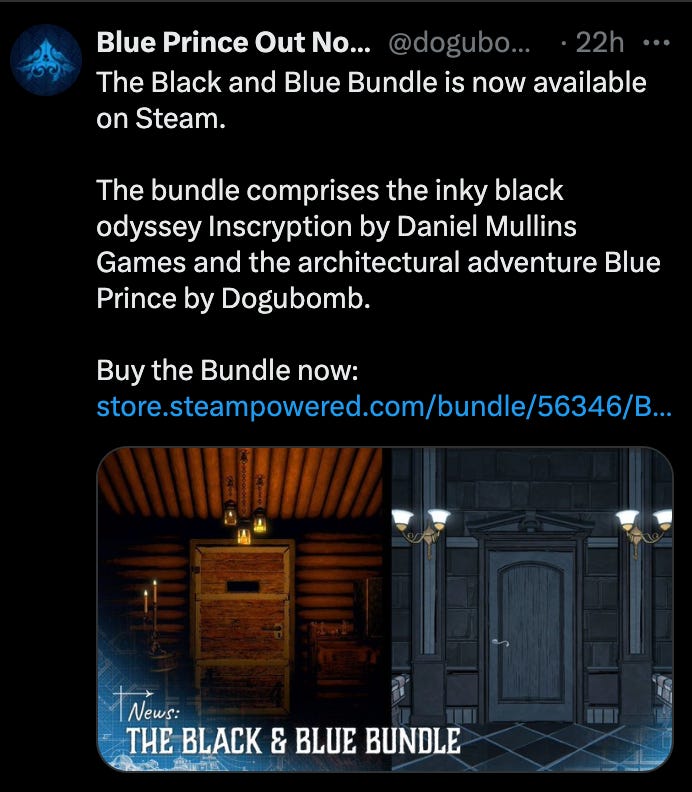
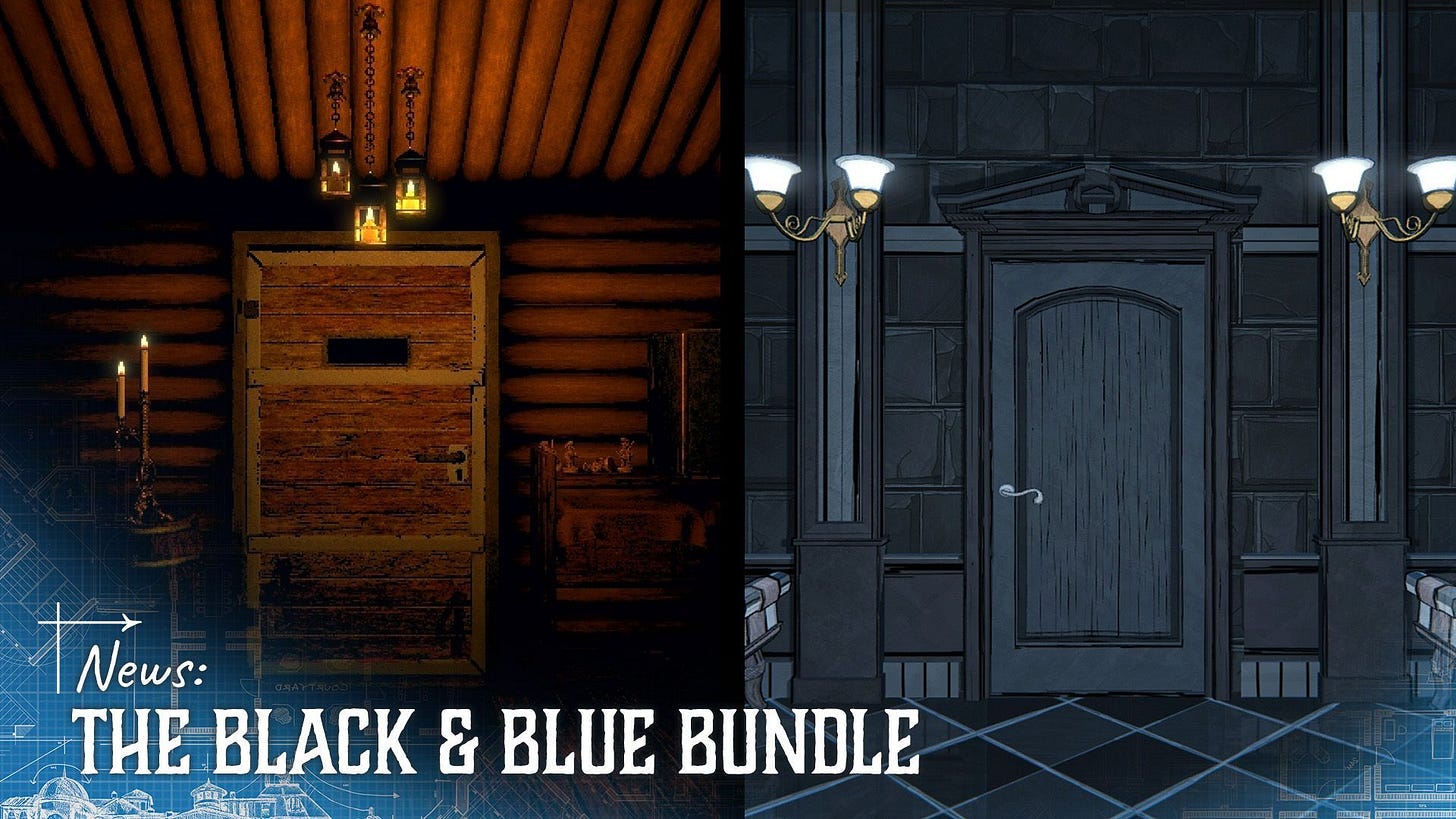
Today we are talking about 5 Bundle Marketing Mistakes That Cannibalise Your Game's Brand Identity Bundle marketing destroys more indie game brands than developers realise. The median revenue after Steam's cut was $799 USD for indie games in 2023, while over 540 releases hit $250k+ in 30 days during 2024. This creates a feast-or-famine economics where collaboration means survival. Industry estimates suggest about 20% of games make any profit, while data indicates around 80% failed to reach $5000 in revenue when Steam relaxed distribution limits. Now, I hear you think: ‘You’re being too extreme. I just need a visibility boost. Even if it doesn’t work I won’t be worse off than where I am now’ Lets break it down the hidden cost and effects that comes with not planning your bundle collaboration. Aaron San Filippo from ‘Race The Sun’ confirmed: "the bundle itself was great, generating tens of thousands of dollars in revenue that we probably wouldn't have seen without it", but warned: "In the long term, I'd like to think about how we can keep the value perception as high as possible for games". Steel Storm’s developer Alex Zubov revealed the stakes on their collaboration with Humble Indie Bundle 3 (HIB3): "If it works out as a long-term investment, it will be awesome indeed. If not, I will never ever participate in such capacity in the future HIB bundles. We all do have bills to pay and families to feed, don't we?" The strategic principles behind successful collaboration become clear when examining recent partnership announcements like the "Black and Blue Bundle" between Dogubomb and Daniel Mullins Games.
Bundle psychology operates on completion bias, not discount addiction.Bundle psychology likely operates on completion bias rather than pure discount-seeking behaviour. Consumer psychology research suggests people prefer bundled offerings that reduce decision-making complexity, though specific mechanisms require further study. Research on bundle evaluation indicates it "presents a more complicated decision-making context than that of evaluating individual products, given the possible interactions among a mix of multiple products" Without thematic coherence, buyers may experience confusion rather than perceived value. Steam averaged 109,000 first-time buyers daily between August 2024 and August 2025. Bundle marketing represents one potential strategy for addressing discoverability challenges—when executed strategically. Historical Data: What Actually Works vs. What FailsThe "Humble Origin Bundle" raised over $10.5 million from 2.1 million bundles sold between August 14-28, 2013, suggesting thematic coherence around strategy gaming contributed to its success. While aggregate bundle performance can appear strong, the impact on individual games proves more complex. Bundle impact varies dramatically by positioning. Edmund McMillen, the game developer behind Binding of Isaac and Super Meat Boy noted that bundles are "not as successful as many would think". Statistics showing sales dipped more when both gamed appeared in bundles than in following years. This revenue disconnect appears even more pronounced when developers track sales channels separately. This suggests bundle partnerships may create parallel rather than expanded audiences—potentially limiting strategic partnership effectiveness. Case Study: The Black and Blue Bundle Strategy
The collaboration between Dogubomb and Daniel Mullins Games demonstrates strategic bundle principles through three execution elements:
The Five Fatal Bundling MistakesMistake #1: Poor timing destroys even good partnershipsStrategic collaborations happen when one game's momentum opens introduction opportunities for partner titles. Blue Prince's critical acclaim created natural cross-promotion timing with Inscryption's established fanbase. Poor timing kills partnerships by missing audience interest windows. Wait for strategic moments rather than rushing convenient partnerships. Timing beats discount percentages every time. Mistake #2: Bundling games with zero authentic connection"Too many bundles, not enough games... that available game pool has become much smaller" forces publishers into artificial connections. Surface-level similarities create confusion rather than value. This mistake wastes months of partnership development while confusing core audiences. Titles should share authentic experiential DNA through similar emotional journeys or complementary gameplay loops. Surface connections don't create meaningful partnerships. The Black and Blue Bundle works because both games involve mysterious rooms and spatial exploration—not because they share "indie" classifications. Mistake #3: Competing with partners instead of amplifying strengthsCross-promotion data shows similar games generate better click-through, but similarity should complement rather than compete. Consumer research indicates competition negatively affects intention to play, while challenge and fantasy elements increase engagement. Find partners where weakness meets strength and narrative-weak games with story masters, not action-vs-action competition. Fighting for attention kills both games' appeal. Mistake #4: Ignoring visual coherence destroys brand recognitionSteam community evidence reveals systematic quality manipulation. "bundles with 'Positive' to 'Very Positive' games included with 'Negative' to 'Mostly Negative' games." One documented case pairs Thief Simulator (87% positive, 21,121 reviews) with Ironsmith Medieval Simulator (43% positive, 174 reviews). These mismatched quality pairings confuse buyers about bundle value. Successful collaborations require compatible quality standards and authentic thematic connections rather than using strong games to mask weaker titles. Mistake #5: Creating forced partnerships instead of inevitable onesWhen players question why particular games belong together in a bundle, your collaboration already fail. Both Blue Prince and Inscryption use doors as mystery revelation mechanisms. The synchronized promotional imagery makes partnership feel inevitable rather than convenient. Make thematic connections obvious rather than manufactured. Position as curated experience, not discount opportunity. The Hard TruthMost developers bundle for revenue, not experience curation. However, this short-term thinking destroys brand value that takes years to build. Steam takes 30% revenue cut while actual earnings typically reach 50-60% of list price after platform cuts and regional variations. Bundle partnerships mistakes further compound revenue loss through opportunity costs and coordination time. Moreover, poor partnerships train customers to expect deep discounts without providing compensating brand value—creating long-term revenue erosion. These five mistakes waste months of development effort while cannibalising brand identity. This is not a gamble developers want to take with their game's long-term market position. So you've created a strategic bundle partnership that amplifies both games instead of cannibalizing them. The most direct way to convert that partnership into sales? Your email list. Email subscribers tend to convert at higher rates than social media followers because they've actively opted in to hear from you. Unlike social algorithms that limit reach, email delivers directly to players' inboxes when you announce bundles or releases. If you want help building email marketing that turns bundle partnerships into revenue, connect with me. |
The Indie Game Dev Compendium
Marketing tactics for indie devs who built something players will love—and need them to find it. Store pages, community building, launch strategy. Practical approaches that move wishlists without the burnout or identity crisis. For devs ready for specific next steps, not just "make a good game" advice.
Hundreds of indie developers have the same three delusions. They spend years building games nobody wants, then blame everything except their own choices. They post in Discord channels asking why their “masterpiece” sold twelve copies while convinced the market just doesn’t understand real artistry. My advice for indie game devs? Don’t go on a Twitter meltdown, telling players to code their own engine or tell unhappy players to get a refund from Steam if they weren’t happy—while your game sat...
Today I'm excited to share my interview with figyberries, solo developer of Pokemon Echo.I reached out during the demo launch last week to talk about what drives hundreds of unpaid development hours, legal risks and how modern tools are reshaping indie creation. Lets dig in! Pokemon Echo Main Menu Page, Source: Figgyberries Nintendo now owns the legal right to summon creatures in video games—despite this mechanic existing since the 1980s. Yet thousands of Pokemon fans continue building...
I don't know about you, but I've played every official Pokemon release since Red. Nostalgia factor aside, my most memorable experiences still comes from fan-created games Games like Pokemon Uranium, Reborn, and Insurgence consistently outperform official releases—with zero budget or marketing. While innovating the design of the franchise a 200+ person team at Gamefreak keeps making worse. Apparently these bedroom coders understand something the official studio has lost. Here's the brutal...